
Sub-Total: $0.00
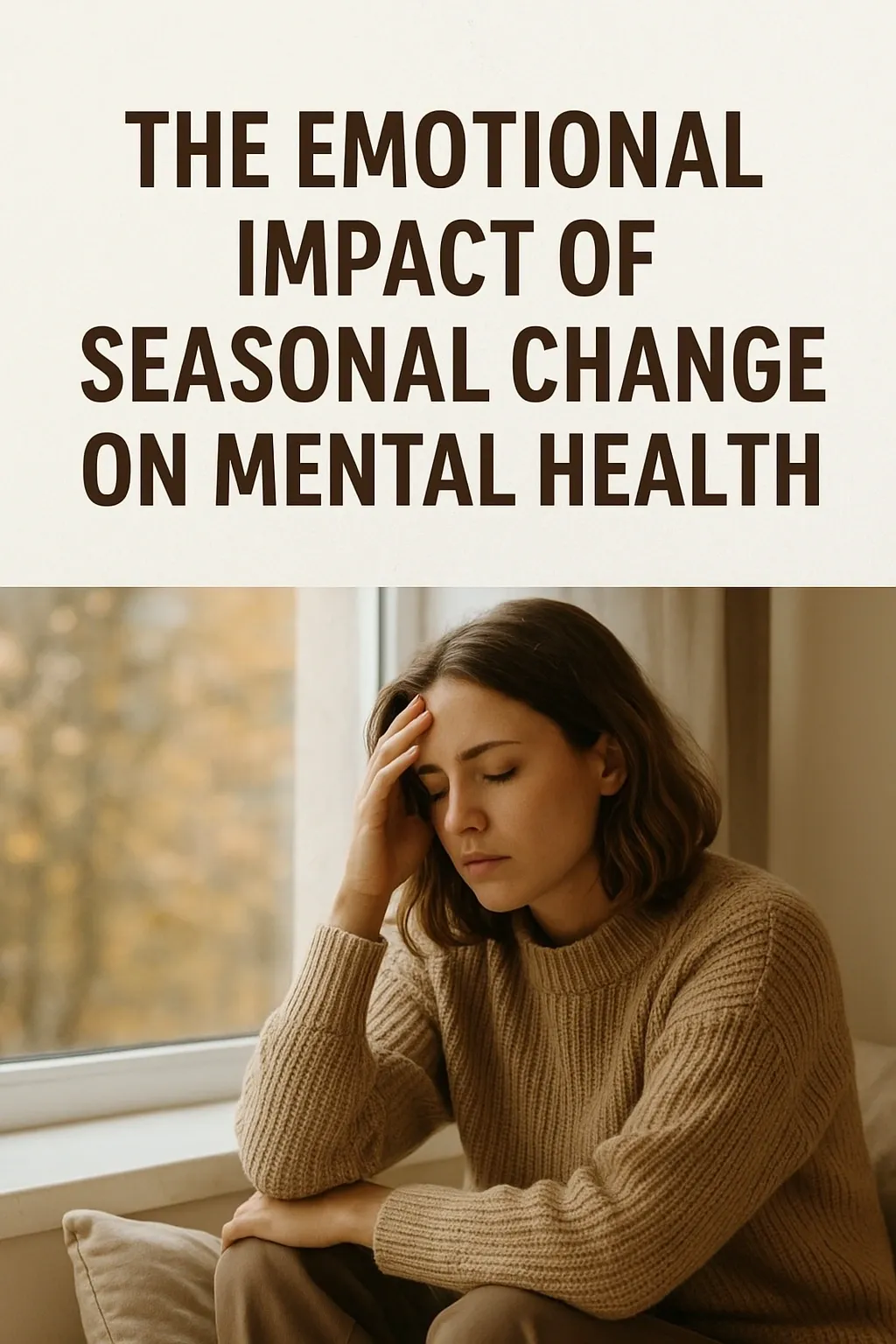
The Emotional Impact of Seasonal Change on Mental Health
As the seasons change, so do our moods, routines, and energy levels. While many people welcome the crisp air of fall or the longer days of spring, others may find that these changes bring emotional challenges that can affect their mental health, both subtly and significantly.
Our bodies and minds are deeply connected to the natural rhythms of the environment. Variations in daylight, temperature, and daily routines can influence our internal clocks, hormones, and sleep patterns. For instance, with less sunlight during the fall and winter months, levels of serotonin a hormone that affects mood can decrease, leading to feelings of sadness and a lack of motivation. This is one reason why some individuals experience Seasonal Affective Disorder (SAD), a type of depression that typically occurs during the same time each year.
Even for those who do not suffer from SAD, transitioning from one season to another can bring about feelings of fatigue, sadness, or anxiety. Changes whether in weather or life often stir up emotions that require our attention and care.
Common emotional responses to seasonal changes can include: Low energy or motivation, Mood changes, Increased anxiety and feelings of isolation
As the days grow shorter and daylight fades earlier, it can be challenging to maintain an active lifestyle and engage in social activities. The reduced sunlight might lead to feelings of lethargy, making it tempting to stay indoors rather than go out and be active, which can negatively affect overall well-being. It’s common to experience fluctuations in mood during this time of year; many individuals feel “off” or more sensitive than usual, likely due to the lack of natural light and the onset of colder weather. These changes can result in increased irritability, sadness, or a general sense of unease.
Moreover, the shift in schedules due to shorter days and changing routines can cause anxiety levels to rise. The sudden reduction in daylight may disrupt circadian rhythms, making it harder to feel balanced. Additionally, the stress of adapting to colder weather and the pressures of holiday activities can further heighten feelings of unease. The combination of cold temperatures and early sunsets often leads people to spend more time indoors. This increase in solitude can negatively impact social connections and foster a sense of isolation. As social interactions diminish, feelings of loneliness can intensify, further affecting mood and overall mental health..
Ways to Cope and Care for Yourself
Stay Active: Movement boosts mood and reduces anxiety. Even a short walk outdoors can help.
Seek Light: Natural sunlight or a light therapy lamp can make a difference in how you feel.
Maintain Routines: Consistent sleep, meals, and social connections help stabilize mood.
Talk About It: Sharing how you feel with a friend, therapist, or counselor provides support and perspective.
Practice Mindfulness: Taking time to slow down, reflect, and tune into your needs can reduce emotional overwhelm.
Each season offers an opportunity to slow down, reflect, and reconnect with yourself and others. By paying attention to how changes affect your emotions, you can take small, intentional steps to protect your mental health. Remember, it’s okay to need extra care and support during transitions what matters most is how you nurture yourself through them.